
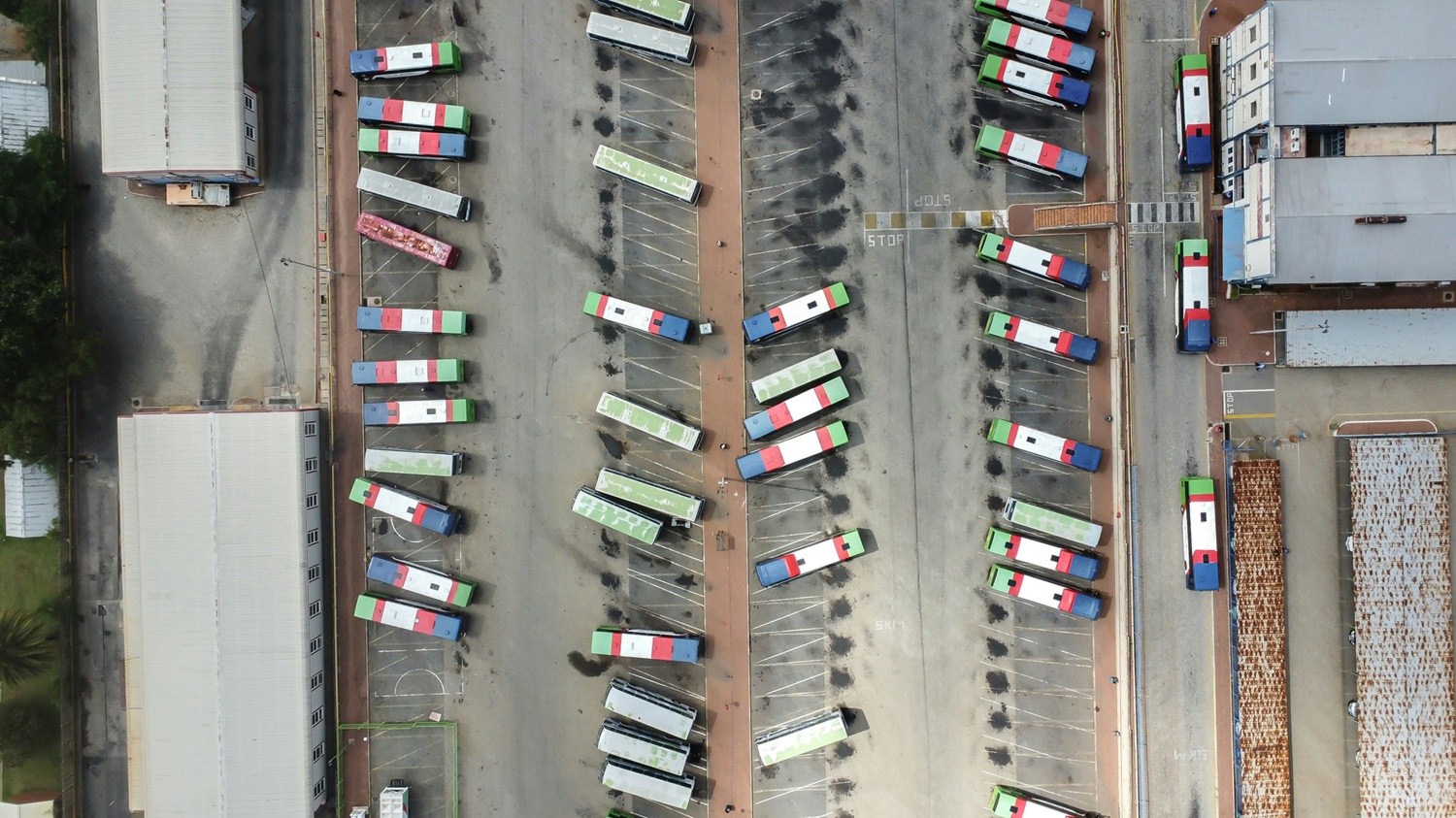
Top 5 Fleet Tracking & Telematics SaaS for African SMEs (2026)
In Africa, fleet costs are usually dominated by fuel, misuse, downtime, and “invisible” leakages. The best fleet SaaS is the one that reliably tracks vehicles, reduces fuel loss, enforces driver discipline, and triggers maintenance early—while still working with local installers, patchy coverage, and multi-branch operations.
Overview Comparison Table
Tools are listed across the top. Key categories such as ease of use, mining fit and pricing are listed in the first column, so you can compare your options at a glance.
| Category | Cartrack | Webfleet (TomTom) | Powerfleet (MiX heritage) | Wialon (Gurtam) | Geotab |
|---|---|---|---|---|---|
| Ease of use | Easy–Medium | Easy | Medium | Medium | Medium |
| Features | GPS tracking, driver behavior, alerts, recovery-focused options | Polished tracking UI, routing, driver workflows, reporting | Safety analytics, telematics depth, enterprise reporting | Platform + wide device support, dashboards, fuel/temperature options | Data-rich telematics, driver safety, marketplace add-ons |
| Scalability | Scales from small fleets to large operations | Strong for multi-branch and multi-country | Enterprise-grade scale | Very scalable via integrator network | Very scalable (large fleets) |
| Integrations | Local support + typical business integrations | Strong integrations + API ecosystem | Good for integrations via partners/APIs | Huge device compatibility | Strong marketplace + APIs |
| Pricing | varies by country | partner devices | best with structured ops | integrations usually via local integrators | partner-led deployments in many regions |
In-depth Analysis of Each Tool
This section is built from your detailed mining SaaS notes: positioning, strengths, limitations, technical capabilities, African market considerations and pricing. Each card comes directly from the spreadsheet, so you can keep everything consistent by updating only one source.
Cartrack
Positioning: Full-service fleet tracking with strong “risk + recovery” DNA
Strengths: Strong local presence in many African markets
Limitations: reliable basics (tracking/alerts)
Technical capability: good for theft-risk environments
African market consideration: Feature depth depends on local package
Detailed pricing: some advanced modules may cost extra Pricing information is indicative only. Check the vendor site for current plans, currencies and implementation costs.
Best use cases: GPS, geofencing, alerts, driver behavior; optional add-ons by market
https://Very strong where local support + installation quality is good
Webfleet (TomTom)
Positioning: Well-rounded, polished fleet platform with broad ecosystem
Strengths: Great usability
Limitations: strong reporting
Technical capability: good routing/dispatch options
African market consideration: good integration story
Detailed pricing: Often best value when deployed via the right partner Pricing information is indicative only. Check the vendor site for current plans, currencies and implementation costs.
Best use cases: hardware/device choices matter
https://GPS + telematics, routing, job/driver workflows, APIs, partner devices
Powerfleet (MiX heritage)
Positioning: Enterprise telematics & safety analytics (operations discipline)
Strengths: Deep analytics
Limitations: strong safety focus
Technical capability: good for structured SOPs and compliance
African market consideration: Can feel heavy for very small fleets
Detailed pricing: usually not the cheapest entry point Pricing information is indicative only. Check the vendor site for current plans, currencies and implementation costs.
Best use cases: Advanced telematics, safety scoring, add-on sensors, reporting and analytics
https://Strong where enterprise fleets operate (logistics, mining, high-value assets)
Wialon (Gurtam)
Positioning: “Operating system” for fleet tracking via integrators
Strengths: Flexible
Limitations: massive device compatibility
Technical capability: strong for custom dashboards and local adaptations
African market consideration: Quality depends on integrator
Detailed pricing: you must choose a good local implementation partner Pricing information is indicative only. Check the vendor site for current plans, currencies and implementation costs.
Best use cases: Supports many trackers/sensors (fuel, temp, CAN via devices); APIs for integrations
https://Very strong when your market has capable integrators and mixed hardware
Geotab
Positioning: Telematics data platform with large marketplace ecosystem
Strengths: Strong data depth
Limitations: strong add-ons/marketplace
Technical capability: good for large fleets that want extensibility
African market consideration: Often deployed via resellers
Detailed pricing: local availability/support varies by country Pricing information is indicative only. Check the vendor site for current plans, currencies and implementation costs.
Best use cases: Advanced telematics, safety analytics, add-ons via marketplace, APIs
https://Medium–Strong depending on reseller presence and support maturity
Frequently Asked Questions
These FAQs are taken from your spreadsheet and can be updated any time. They also work as a light conclusion for the post, addressing the most common concerns for mining stakeholders in Africa.
| Question | Answer |
|---|---|
| Do I need fuel sensors or is GPS enough? | Start with GPS + driver behavior if your goal is basic visibility. Add fuel sensors when fuel loss is material and you need proof-grade measurement. Rule of thumb: if fuel is your #1 leakage, sensors pay back fastest—but only if installed correctly and calibrated. |
| How do I stop drivers from tampering with trackers? | Use hidden installs, tamper alerts, and enforce a process: random physical checks + alert escalation. The best setups combine good hardware placement with operational discipline (clear penalties + consistent enforcement). |
| Can tracking work in areas with poor network coverage? | Yes, many devices buffer data and upload later. What you must verify is “how much history is stored”, “how often it syncs”, and whether critical alerts (panic, tow, geofence breach) still reach you fast enough in your operating zones. |
| What’s the fastest way to see ROI? | Track only 5–7 KPIs at first: fuel per 100km (or per route), idle time, harsh events, route deviations, late arrivals, and maintenance overdue. Then set a weekly review rhythm with actions (coaching, route fixes, maintenance scheduling). |
| Should I choose a platform or a local installer first? | If you operate in one country and need quick results, choose the best local installer/support first. If you operate multi-country or need custom integrations, choose a strong platform (with partner ecosystem) and then select certified local implementers per country. |
- Top 5 School Management Systems for Africa (2026)
- Top 5 Fleet Tracking & Telematics SaaS for African SMEs (2026)
- Top 5 Business Intelligence (BI) & Dashboard SaaS for African SMEs (2026)
- Top 5 Strategy (OKR) SaaS Tools for African Businesses (2026)
- Best Unit Cost & Profitability Analytics Software for African SMEs (2026)